x
U D A A N
Success Stories

Real Recovery Journeys

Sunil

Sunil

Overcoming Schizophrenia with Community Support and Family Care

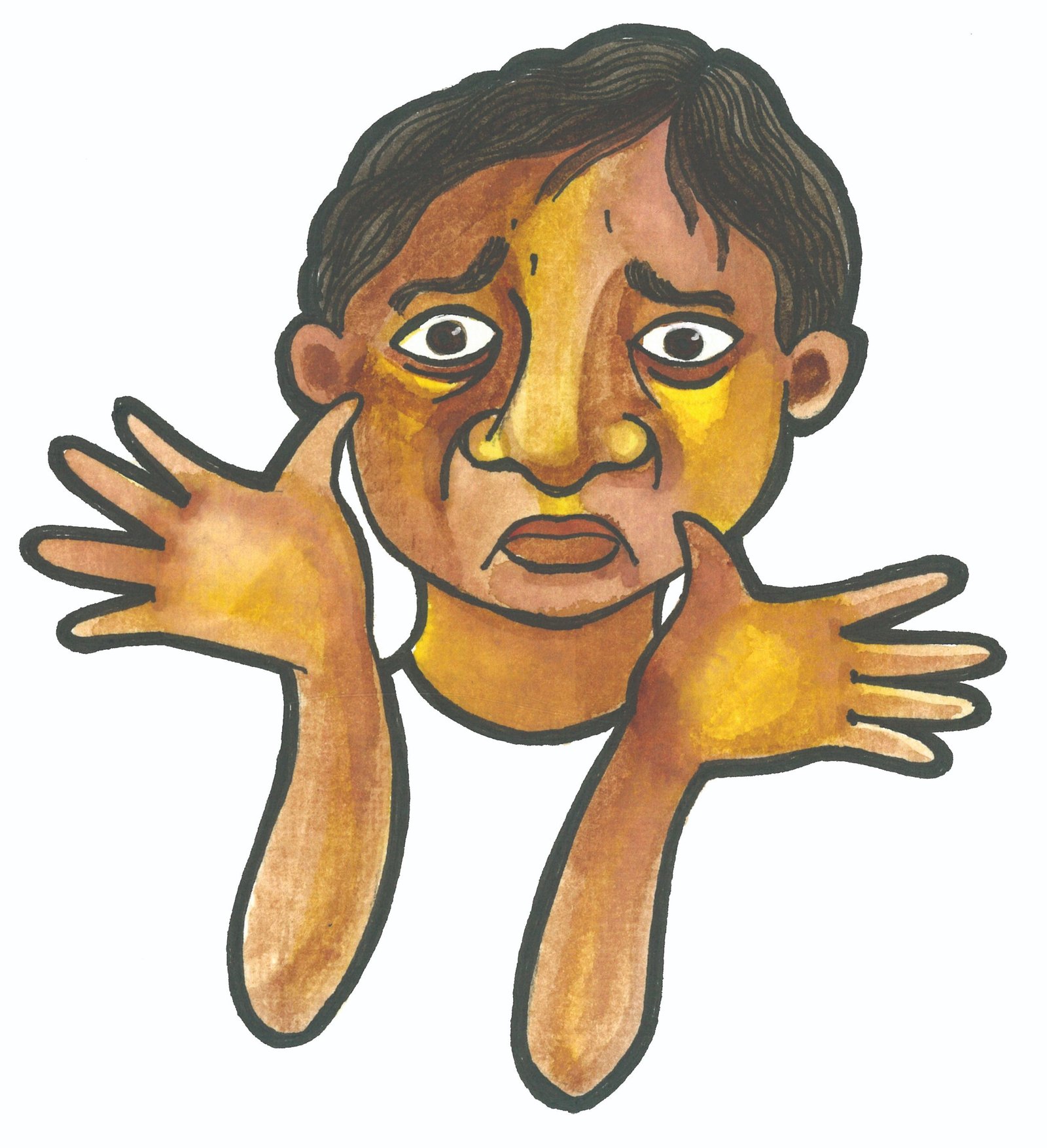
Sunil, a 39-year-old man from the village of Khadki, located 24 km from Narkhed tahsil and 91 km from Nagpur, had been struggling with mental health issues for much of his life. Raised in a family of four, with his mother, father, and elder brother, Sunil's family relied on daily wage work for their income. Despite having a normal childhood, Sunil's life took a turn for the worse at the age of 14, when he developed a gambling addiction that would go on to profoundly affect him and his family.

Sunil's symptoms began while he was still in school. He would steal valuables from his own home to fund his gambling addiction, and his aggressive behavior toward his parents escalated. His schooling was affected, and he failed twice in the same class. His addiction to the gambling card game Teen Patti kept him trapped in a destructive cycle, and his condition worsened with time.

Sunil's behavior became increasingly erratic and aggressive. He exhibited symptoms such as irritability, wandering behavior, loss of appetite, loss of sleep, and hallucinations. His mother, desperate to help her son, sought traditional treatments, but these efforts were in vain. Sunil's condition only deteriorated, culminating in his disappearance for seven years. His family searched for him and even filed a police complaint. Eventually, Sunil was found in Bangalore, and with the help of local authorities, he was brought back to Nagpur. Though he received treatment at a hospital in Nagpur, his symptoms reappeared once he returned home.

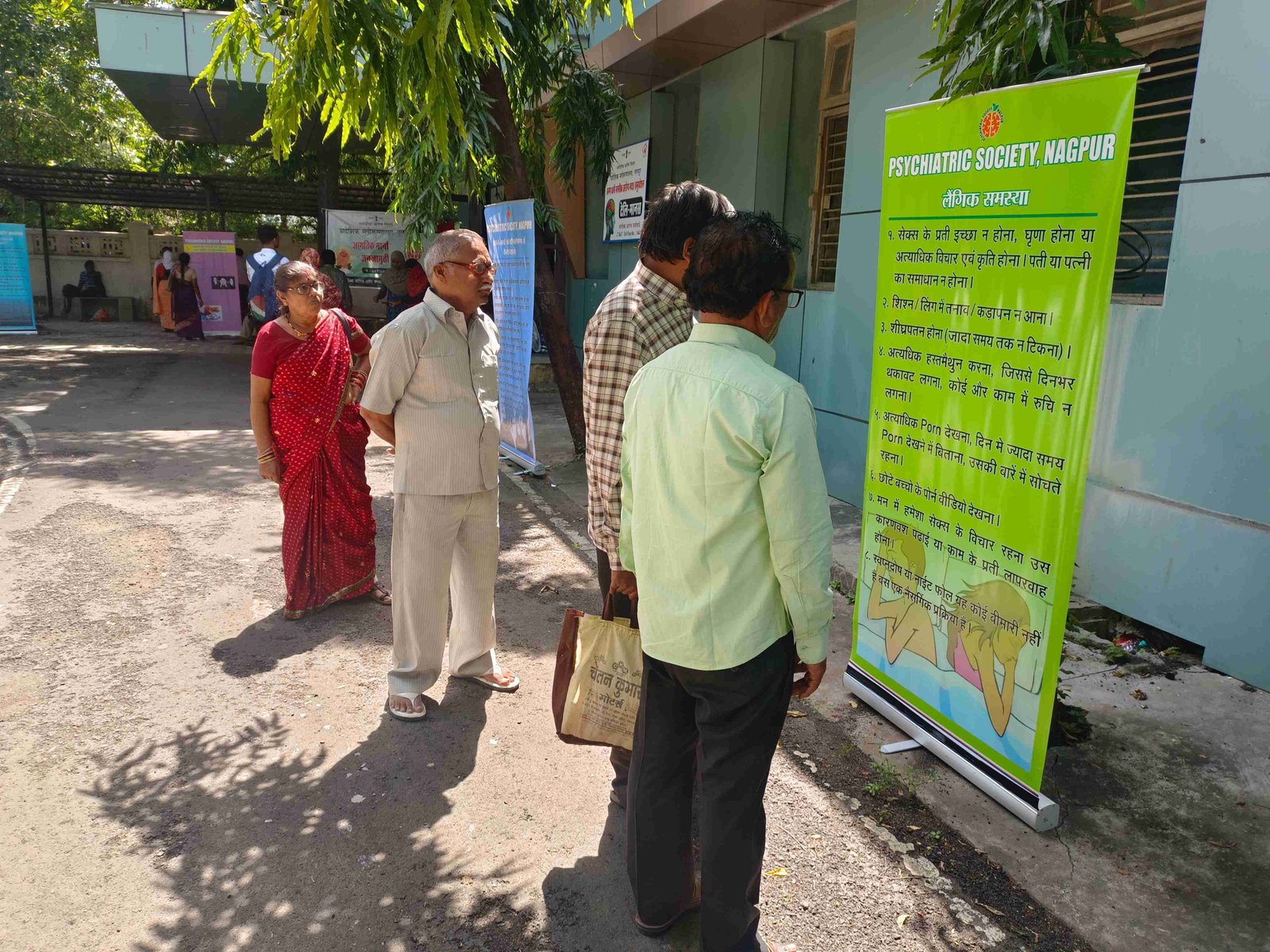
Due to their weak financial condition, Sunil's family could not afford ongoing private or government treatment in Nagpur. During this challenging time, the DMHP was introduced in the Narkhed block under the Udaan program. Sunil's mother learned about the mental health services available during a local awareness meeting. On September 20, 2023, Sunil was brought to the OPD in Narkhed, where he was diagnosed with schizophrenia. From that point on, he started receiving consistent treatment through the program.

Since starting treatment, Sunil has shown tremendous improvement. During the first visit from the block coordinator, Sunil appeared tired, but his family provided detailed information about his condition. Despite their financial hardships, Sunil's family was deeply supportive and willing to learn about his illness. With the help of the block coordinator and community health workers, they received psychoeducation about schizophrenia and were educated on the importance of medication adherence, sleep hygiene, and engaging in daily activities.

Location: Narkhed Block | Coordinator: Pratik Thakare

Vandana

Vandana

Recovery Through Family Support and Accessible Care

Vandana, a 40-year-old woman from Bamhani village in Nagbhid Block, Chandrapur district, lives with her mother and son in her maternal home. Separated from her husband, who struggles with alcoholism, Vandana has been in a difficult situation for the past eight years. Her husband lives separately in his village, leaving Vandana to rely on her mother, a daily laborer, to support their family.

The strain on Vandana's mental health began after the birth of her son. With no emotional support from her husband, Vandana's distress grew, leading her to return to her mother's home. Unfortunately, her family believed that her condition was due to superstition or black magic, and they sought traditional treatments, including visits to faith healers. These efforts did nothing to alleviate her condition, and her symptoms continued to worsen. She was not on any medication until a block coordinator from the Udaan program intervened, referring her to the Psychiatric OPD at Bhiwapur Rural Hospital.

Vandana exhibited serious symptoms, including irritability, wandering, suspiciousness, excessive sleep, hallucinatory behavior, uncontrollable laughter, isolation, mood swings, and suspicious behavior. She believed people were talking about her and frequently muttered to herself. Her condition severely impacted her ability to function in daily life. She was diagnosed with schizophrenia (295) at the Psychiatry OPD, marking the beginning of her path to recovery.

Over the next six months, Vandana adhered to her treatment plan. Her condition began to improve, and she gradually regained the ability to carry out daily activities. She started helping her mother with household chores and even expressed a willingness to work as a daily wage laborer to contribute financially. This marked a significant turning point in Vandana's journey, as she began to experience a newfound sense of stability and independence.

Vandana's family initially felt scared and confused about her illness. Her father and mother were supportive and encouraged her to engage in daily activities, but her husband offered little help. Despite these challenges, Vandana's parents remained committed to her care, and with time, they became more educated about her condition. With consistent support from her family and the medical team, Vandana began to show marked improvement.

Location: Bhiwapur Block | Coordinator: Virag Wakde

Jaya

Jaya

Overcoming Schizophrenia with Family Support and Treatment

Jaya, a 65-year-old widow from Kuhi, has faced a long and difficult battle with mental illness. Living below the poverty line and working as an agricultural laborer, she shares her home with her daughter. Her life changed dramatically when, at the age of 50, she encountered a woman who claimed that a goddess would enter her body and bless her. This event seemed to trigger a series of strange behaviors in Jaya that deeply concerned her family.

For the first 50 years of her life, Jaya had been a normal, functioning member of her community. However, after this encounter, she began wandering aimlessly through villages, walking as much as 25-30 kilometers a day. Her family became desperate as she would disappear for days, only to be found in a different village after people responded to the missing person advertisements her family placed in newspapers. Each time they found her, she would quickly move on again. This continued for a month, leaving her family emotionally exhausted.

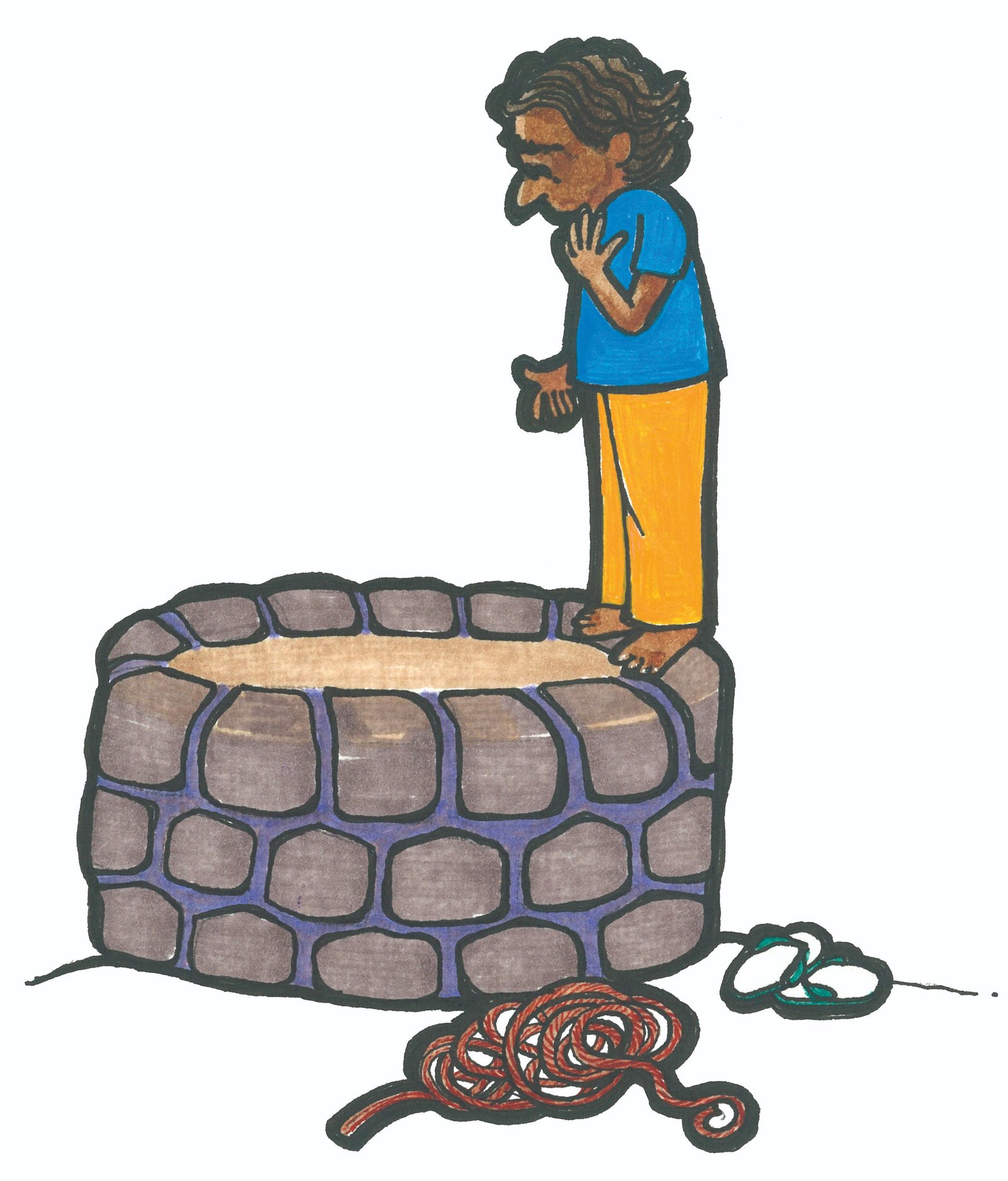
After finding her once more, they decided to take her home and tie her up with a rope to prevent her from leaving. Unable to manage her erratic behavior on their own, they sought help from a private hospital in Nagpur. Although the medications and injections she received there helped calm her, they also left her sleeping all day and unable to function. The high doses of medication took a toll on her, and her family felt as though they were losing her to the treatment.

In a fortunate turn of events, another patient who had been receiving treatment at Kuhi RH suggested that they try the monthly mental health OPD at Kuhi RH, where she could receive proper treatment. Jaya's family decided to take her there, and she was diagnosed with schizophrenia (295).

Since then, Jaya has been receiving treatment from Kuhi RH for the past three years. Her initial symptoms included uncontrolled behavior, irritability, instability, wandering, and an inability to recognize people. However, with consistent care and medication, her condition has improved significantly. Her behavior is now controlled, she sleeps well, and she is conscious of her surroundings.

Location: Kuhi Block | Coordinator: Varsha Umate

Archana

Archana

Path to Stability and Hope

Archana, a 22-year-old student from Belda village in Ramtek, exemplifies the strength and resilience needed to overcome the challenges of living with a mental health disorder. A second-year B.A. student, Archana had been battling Bipolar I disorder (F31.12) for several years before she found the support she needed through the DMHP.

Archana's mental health struggles began in her late teens, manifesting in a variety of symptoms, including a lack of energy, fluctuating moods, disrupted sleep, and difficulty concentrating. Over time, her condition worsened, with periods of extreme elation and impulsive behaviors, including delusions and demanding money from her parents. These struggles led her to seek different forms of treatment, including Ayurvedic remedies, private hospitals, and government medical centers. Yet, despite all the efforts, the improvements were marginal, leaving her family under considerable financial strain.

The turning point came when an ASHA worker visited Archana's village as part of a mental health survey conducted by Udaan-DMHP. Recognizing Archana's condition, the ASHA worker referred her to the DMHP's OPD. For Archana and her family, this referral came as a lifeline. When Archana first visited the DMHP OPD on August 8th, 2022, her family was already exhausted—both emotionally and financially. Her father had been supporting her treatment for years, spending as much as ₹8,000 to ₹10,000 per month during her time in private hospitals.

But despite their struggles, Archana's family never wavered in their support for her. At the DMHP OPD, Archana was diagnosed with bipolar disorder, and her family received extensive psychoeducation about the illness. The team explained the importance of medication adherence, while also offering guidance on how to manage symptoms and support Archana during her difficult periods. This support was crucial, especially since Archana's family was financially strained and living below the poverty line.

Location: Ramtek Block | Coordinator: Anilkumar Dhole

Vinay

Vinay

Journey to Recovery

Vinay, a thirty-year-old Nagpur resident, faced common but often unspoken challenges. Vinay had once led a promising life living with his mother and father. Educated up to the 12th grade, he had a stable job in a private company, earning a respectable income that supported his family. Vinay's future seemed bright until life took an unexpected turn. It began with a romantic relationship that spanned nearly six years. Although Vinay's family approved, the girl's family did not, and eventually, they refused the marriage.

Around the same time, Vinay found a better job with a much higher salary, but with it came late nights and social pressures, especially around alcohol consumption. What began as occasional drinks turned into a full-blown addiction over a period of few months. Over time, Vinay's alcohol consumption escalated. He lost his job due to ill behavior and truancy, became estranged from his girlfriend, and his behavior at home deteriorated. His family struggled to cope with his constant drinking, erratic behavior, hallucinations, and violent tendencies. Things reached a tipping point when Vinay began to contemplate suicide.

Despite being admitted to a de-addiction center, the improvement was shortlived. Soon, he relapsed into his old habits, and his life spiraled further out of control. One day, Vinay attempted suicide by hanging himself but was saved by the timely intervention of his family. His family, desperate for a solution, learned about the availability of free de-addiction services and mental health support at a government hospital. They decided to seek help from the mental health OPD at the Rural Hospital in Hingana.

Vinay was diagnosed with Alcohol Use Disorder, Sever (F10.20), and received psycho-social interventions, where both he and his family were educated on the importance of support, medication adherence, and suicide prevention. Initially resistant to treatment, Vinay began to accept the help offered by the hospital. With time, his alcohol consumption, his craving for alcohol reduced and although he struggled with his confidence and employment, his family stood by his side, offering the encouragement and support he needed.

Location: Nagpur Rural | Coordinator: Priti Bhilwar

Gaurav

Gaurav

From Despair to Renewal

Gaurav, a resident of Narkhed District, Nagpur, found his life turned upside down during the COVID-19 pandemic. For three years, like many others, he faced the harsh realities of the lockdowns and restrictions, which brought much of daily life to a halt. Before the pandemic, Gaurav had successfully run his own shop for six years, supporting his family of five, including his parents, a sister, and another sister who was recently married. However, the pandemic forced him to close his shop, and with no other source of income, Gaurav became increasingly distressed.

As his financial situation worsened, Gaurav began to lose hope. His sleepless nights and constant state of despair took a toll on his mental health. He withdrew from social interactions, becoming isolated and deeply depressed. His confidence eroded, and he began to feel that life had no meaning. In his desperation, Gaurav attempted suicide twice, but thankfully his family intervened before it was too late.

Initially, Gaurav's family sought traditional remedies, consulting spiritual healers, but these efforts proved unsuccessful. One day, a community health worker (CHW) visited Gaurav's village of Datewadi to conduct a mental health awareness program. During the event, the village police Patil mentioned Gaurav's condition to the CHW. Concerned for Gaurav's well-being, the CHW and a caseworker (CSW) conducted a home visit to assess the situation. Despite the family's initial reluctance to acknowledge the severity of Gaurav's condition, they eventually reached out for help after his second suicide attempt.

In April 2022, Gaurav and his father visited a rural hospital for a mental health camp. The doctors diagnosed him with Major Depressive Disorder (MDD) F32.2 (Severe, without psychotic features), and assured the family that with regular treatment, Gaurav could recover. Given his previous suicide attempts, the doctors advised his family to closely monitor him during the early stages of his treatment.

Location: Narkhed Block | Coordinator: Badal Khandre

Recovery Elements

What Made These Stories Possible